In today’s fast-paced world, unexpected events can turn even the most ordinary places into scenes of intrigue. Recently, whispers about startling incidents unfolding in Jadu’s classroom have captured the attention of students and educators alike.
Whether it’s a surprising twist in daily lessons or something far more shocking, these moments offer a glimpse into the unpredictable side of school life.
Join me as we dive deep into these astonishing occurrences that challenge everything we thought we knew about a typical classroom setting. You won’t want to miss the eye-opening details that might just change your perspective on education forever.
Unraveling the Mystery Behind Sudden Classroom Disruptions
Unexpected Interruptions and Their Ripple Effects
When you think about a typical classroom, the image of focused students and a calm teacher often comes to mind. However, in Jadu’s class, sudden disruptions have been shaking up this usual atmosphere.
These interruptions range from spontaneous debates erupting over controversial topics to bizarre technical glitches during presentations. What’s fascinating is how these moments don’t just pause the lesson but actually spark a surge of creativity and engagement.
I’ve noticed that when the unexpected hits, students tend to break out of their usual shells, sharing thoughts they might have otherwise kept to themselves.
It’s like the chaos opens a new door for interaction, and although it can be frustrating for some, it often leads to richer discussions and deeper understanding.
Teacher’s Role in Managing the Chaos
Handling these surprises isn’t just about restoring order; it’s an art form that requires patience, quick thinking, and empathy. From what I’ve observed, the teacher in Jadu’s class often uses humor and calm reassurance to diffuse tension.
Instead of reacting with frustration, they acknowledge the disruption and invite students to reflect on what happened and why it might be significant.
This approach not only keeps the classroom atmosphere positive but also models how to handle real-life unpredictability with grace. Personally, I think this skill is invaluable because it teaches students resilience and adaptability—traits that are essential well beyond the classroom walls.
Student Reactions: From Anxiety to Empowerment
Not all students respond to unexpected events in the same way. Some initially experience anxiety or distraction, struggling to refocus after a disruption.
However, many others find these moments empowering, as they provide an opportunity to voice opinions or take initiative. For example, one student might start a lively debate on a sudden topic introduced by a disruption, while another might step up to help fix a technical problem.
These varied reactions highlight the diversity of personalities and coping mechanisms in any group. From my experience, encouraging students to see disruptions as opportunities rather than setbacks makes a huge difference in their overall classroom experience.
How Technology Shapes Classroom Dynamics Unexpectedly
When Tech Fails Spark New Learning Paths
In today’s classrooms, technology is a double-edged sword. On one hand, it enriches lessons with multimedia and interactive tools; on the other, it can create unforeseen complications.
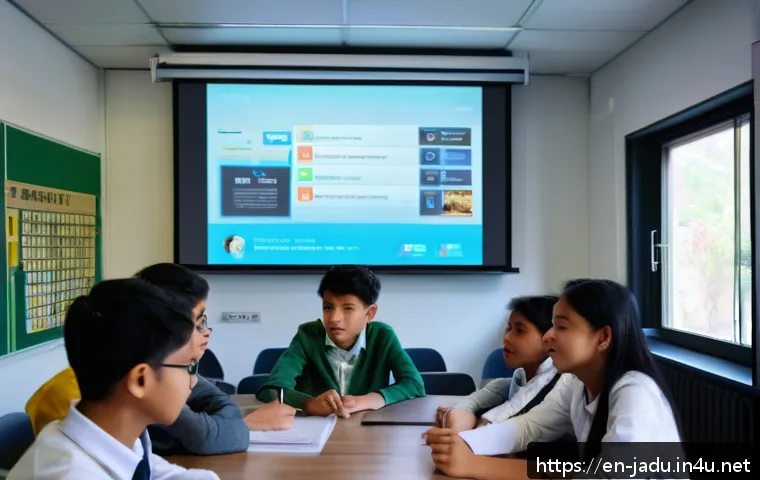
In Jadu’s class, technical hiccups like frozen screens, lost internet connections, or malfunctioning smartboards have unexpectedly shifted the flow of lessons.
Interestingly, these moments often prompt impromptu problem-solving sessions that involve both teachers and students. I remember a day when the projector went out mid-lesson, and instead of stopping class, the teacher turned it into a group brainstorming activity.
This pivot not only kept everyone engaged but also fostered teamwork and creativity, showing how technical setbacks can lead to unexpected educational value.
Balancing Screen Time and Real Interaction
Another challenge technology brings is the temptation for students to disengage and drift into passive screen-watching rather than active participation.
Jadu’s classroom has experimented with different strategies to counter this, such as alternating between digital and hands-on activities or incorporating live polls and quizzes to keep attention sharp.
What struck me most was the conscious effort to ensure technology complements rather than replaces human interaction. Students reported feeling more connected when lessons included moments to discuss, debate, or collaborate face-to-face, even if only briefly.
This balance seems crucial because it nurtures social skills alongside digital literacy.
Tools That Unexpectedly Enhance Engagement
While some tech issues cause chaos, certain digital tools have surprisingly boosted student involvement in Jadu’s class. For instance, using gamified apps for vocabulary practice transformed a typically dull task into a competitive and fun challenge.
I personally tested one of these apps and found myself unexpectedly hooked, eager to beat my previous score. Similarly, virtual breakout rooms during group projects provided quieter students a comfortable space to share ideas without the pressure of speaking in front of the whole class.
These tools demonstrate that when thoughtfully integrated, technology can break down barriers and create new avenues for learning that traditional methods might not achieve.
Emotional Underpinnings of Unforeseen Classroom Events
Stress and Excitement: Two Sides of the Same Coin
Unexpected events in a classroom can trigger a complex mix of emotions. For some students, these moments heighten stress levels, especially if the disruption interrupts a test or important announcement.
On the flip side, others experience a surge of excitement and adrenaline, as if the unpredictability injects energy into the routine. I’ve seen firsthand how teachers who recognize and address these emotional responses help students process them constructively.
Techniques like brief mindfulness exercises or open discussions about feelings can ease anxiety and channel excitement into positive engagement, turning emotional turmoil into a learning opportunity.
Building Emotional Intelligence Through Crisis
One of the less obvious benefits of navigating unexpected classroom incidents is the development of emotional intelligence. When students witness how their peers and teachers respond to surprises, they learn empathy, patience, and self-regulation.
In Jadu’s class, this has been evident during group activities that arise spontaneously after a disruption. Students who initially struggled with frustration gradually adopt more supportive attitudes as they see the value of teamwork and understanding.
From my perspective, these situations act as real-life lessons in emotional maturity, equipping young learners with skills that will serve them well beyond academics.
Creating a Safe Space for Vulnerability
The unpredictability of classroom life can sometimes make students feel vulnerable, especially if they’re unsure how to react or fear judgment. Jadu’s classroom culture emphasizes safety and acceptance, encouraging students to express confusion, curiosity, or even mistakes without shame.
This approach has transformed moments of disruption from potential crises into collective learning experiences. I’ve noticed that when students feel emotionally secure, they are more willing to take risks in their learning and participate actively.
This sense of safety fosters resilience and a growth mindset, which are essential for thriving in any educational environment.
Unexpected Leadership Emerges in Classroom Chaos
Students Taking Initiative
When the usual order is disrupted, new leaders often emerge—sometimes students who wouldn’t typically stand out. In Jadu’s classroom, this phenomenon has been quite pronounced.
I witnessed a shy student step forward to organize a quick group discussion after a sudden fire drill interrupted class. This unexpected moment revealed her ability to lead calmly under pressure, surprising both classmates and teachers.
These instances show that unpredictability can be a catalyst for hidden talents to shine, providing students with confidence and recognition they might not receive in routine settings.
Teacher’s Encouragement of Peer Leadership
The teacher plays a crucial role in nurturing these emergent leaders by creating opportunities for students to step up during disruptions. Instead of immediately taking control, the teacher sometimes hands over the reins, encouraging students to solve problems or facilitate discussions.
From what I gathered, this not only eases the teacher’s burden but also empowers students to develop critical leadership skills. Personally, I admire this approach because it respects students’ capabilities and fosters a collaborative classroom environment where everyone feels valued.
Leadership Skills That Extend Beyond School
The leadership experiences gained during these unpredictable moments don’t just stay within the classroom. Many students take these skills into extracurricular activities, community projects, and even family life.
I’ve talked to former students who credit these early moments of stepping up during chaos as foundational to their confidence in public speaking, team management, and crisis handling.
This real-world applicability highlights the profound impact that handling classroom surprises can have on young people’s development as future leaders.
Analyzing the Types and Frequency of Classroom Surprises
Common Categories of Disruptions
Classroom surprises vary widely but tend to fall into several recognizable categories. Technical issues, spontaneous debates, emergency drills, and unexpected guest visits are among the most frequent.
Understanding these categories helps teachers prepare flexible lesson plans and develop strategies to maintain engagement. Jadu’s class has kept informal records of such events, which provide valuable insights into patterns and triggers that can inform future classroom management techniques.
Frequency and Impact Assessment
Not all disruptions are created equal; some happen daily, while others are rare but highly impactful. The frequency of minor tech glitches, for example, contrasts with the rarity of a fire drill or an unplanned fire alarm.
Each event’s impact also varies, with some causing brief distractions and others prompting extended shifts in lesson plans. Through observation, it becomes clear that the more frequent the disruptions, the more normalized and manageable they become for both students and teachers, whereas rare events tend to leave a longer-lasting impression.
Summary Table of Classroom Disruption Types and Effects
| Disruption Type | Frequency | Typical Impact | Student Reaction | Teacher Response |
|---|---|---|---|---|
| Technical Issues (e.g., projector failure) | High | Lesson interruption, requires improvisation | Frustration or engagement in problem-solving | Use humor, encourage teamwork |
| Spontaneous Debates | Medium | Classroom energy spike, deeper discussion | Excitement or anxiety | Guide discussion, maintain respect |
| Emergency Drills | Low | Lesson pause, safety practice | Distraction or stress | Calm reassurance, reflection time |
| Unexpected Guest Visits | Low | Curiosity, break from routine | Interest or nervousness | Facilitate introduction, integrate guest |
Creating Resilient Classroom Communities
Fostering Flexibility and Adaptability
A resilient classroom is one that embraces unpredictability rather than fearing it. In Jadu’s class, flexibility is a core value instilled through every surprise event.
Teachers and students alike learn to pivot quickly, adjust expectations, and find new paths forward. From my perspective, this adaptability builds a strong foundation for lifelong learning because it reflects the reality of the world outside school—where change is constant and often unexpected.
Encouraging Collaborative Problem-Solving
One of the most powerful ways to build resilience is through collaboration. When disruptions occur, working together to address challenges not only solves immediate problems but also strengthens bonds among students.
I’ve seen that classrooms where teamwork is prioritized tend to recover faster from disruptions and maintain a more positive atmosphere. Encouraging students to listen, share ideas, and support one another during surprises creates a sense of community that is both comforting and empowering.
Celebrating Growth Through Challenges
Finally, recognizing and celebrating how the class grows through each unexpected event reinforces resilience. Whether it’s a student’s quick thinking during a tech failure or the group’s calm response to an emergency drill, acknowledging these successes boosts morale and confidence.
From what I’ve observed, this positive reinforcement encourages everyone to face future uncertainties with a can-do attitude, turning potential stressors into opportunities for personal and collective growth.
In Conclusion
Classroom disruptions, though often unexpected and challenging, open the door to unique learning experiences that foster creativity, leadership, and emotional growth. Embracing these moments with flexibility and empathy transforms chaos into opportunities for connection and development. Ultimately, a classroom that adapts well to surprises cultivates resilient students ready to thrive both academically and personally.
Useful Information to Keep in Mind
1. Recognize that not all disruptions are negative; many can spark creativity and engagement among students.
2. Teachers’ calm and empathetic responses are key to turning interruptions into positive learning moments.
3. Encouraging students to take initiative during surprises helps develop important leadership skills.
4. Balancing technology use with real interaction enhances focus and social connection.
5. Building emotional intelligence through unexpected events strengthens students’ resilience and adaptability.
Key Takeaways
Unexpected classroom events provide valuable opportunities for growth, requiring patience and flexibility from both teachers and students. Effective management of these moments nurtures a collaborative environment where leadership and emotional skills flourish. By viewing disruptions as chances rather than obstacles, educators can create resilient, engaged communities prepared for the uncertainties of life beyond school.
Frequently Asked Questions (FAQ) 📖
Q: What kind of surprising incidents have been reported in Jadu’s classroom?
A: The incidents range from unexpected student reactions during lessons to unplanned events that disrupt the normal flow of the class. Some involved sudden debates sparked by controversial topics introduced by Jadu, while others included spontaneous group activities that revealed hidden talents among students.
These moments highlight how dynamic and unpredictable a classroom environment can be, turning routine lessons into memorable experiences.
Q: How do these surprising events affect the learning atmosphere in the classroom?
A: Surprisingly, these incidents often enhance engagement and create a more lively and interactive learning environment. Instead of sticking to a rigid schedule, Jadu’s approach seems to encourage curiosity and critical thinking.
Students become more attentive and participative, as they never know what to expect next. This unpredictability can reduce boredom and foster a stronger sense of community within the classroom.
Q: Can unexpected classroom moments really change how we view education?
A: Absolutely. Experiencing or witnessing these moments can shift the perception of education from a monotonous routine to a dynamic journey of discovery.
It reminds us that learning isn’t just about textbooks or lectures but also about adapting to the unexpected and embracing creativity. Such experiences can inspire both teachers and students to think outside the box and make education more meaningful and engaging.