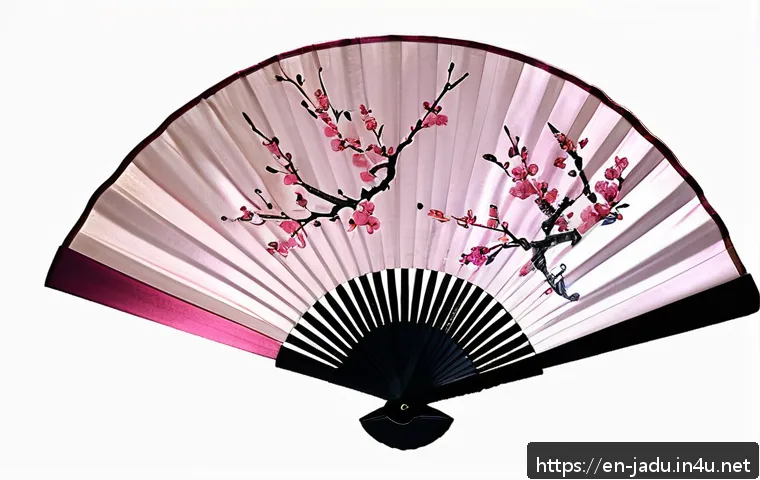
In a world where traditional craftsmanship meets modern creativity, plum-inspired fan designs are quietly carving out a unique niche. As the art of handcrafted fans experiences a surprising revival, these delicate pieces offer more than just beauty—they tell stories rich with cultural symbolism and personal expression.
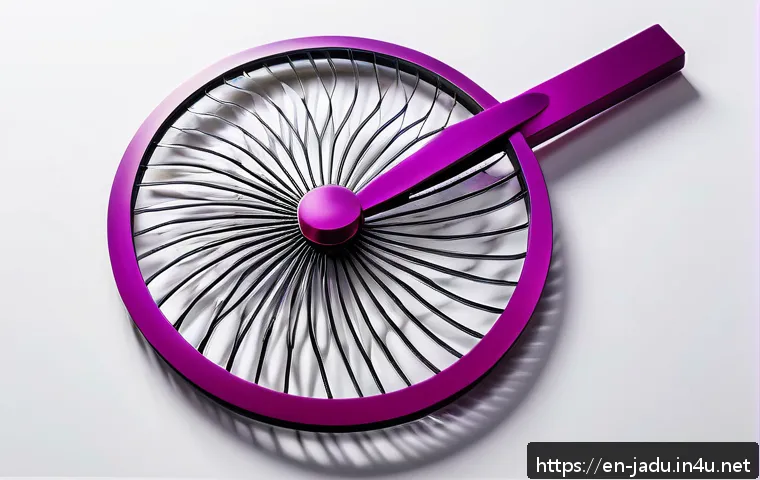
Whether you’re an art enthusiast or simply curious about innovative design trends, exploring these fans reveals a fascinating blend of history and contemporary artistry.
Stay with me as we dive into some of the most captivating and original plum-themed fan creations you’ve likely never encountered before. Trust me, this journey will refresh your appreciation for artistry in everyday objects.
Nature’s Elegance Translated into Artful Fans
The Symbolism Behind Plum Motifs
The plum blossom has long been a symbol of resilience and hope, blooming vibrantly even in the harshest winters. When this motif is translated onto fans, it carries not just aesthetic beauty but a deep cultural narrative.
Artists incorporate the delicate petals and subtle shades of plum blossoms to evoke feelings of renewal and perseverance. From the way the flowers are hand-painted or embroidered to the choice of colors—soft pinks, rich purples, and stark whites—each fan becomes a wearable story.
What’s fascinating is how these fans often serve as personal talismans, offering comfort or inspiration to their owners in everyday life.
Craftsmanship Techniques That Bring Plum Fans to Life
Creating a fan that features plum-inspired designs demands mastery over multiple techniques. For instance, some artisans use traditional paper folding combined with hand-dyed silk to achieve a translucent effect that mimics real petals.
Others integrate delicate wood carving to shape the ribs of the fan in subtle curves reminiscent of plum branches. The layering of materials—lacquer, paint, fabric—requires patience and precision, with some steps taking days to dry before the next can begin.
What I found most impressive during a recent workshop was the emphasis on balance: the fan must be light enough to flutter gracefully but sturdy enough to withstand repeated use.
Modern Interpretations of Classic Plum Fans
Contemporary designers are pushing boundaries by blending plum motifs with unexpected materials like acrylic or metal mesh, offering a fresh take on tradition.
These modern fans might feature abstract interpretations of plum blossoms, focusing on geometric shapes or bold color contrasts rather than realistic depictions.
This approach appeals to a younger audience who appreciate the symbolism but seek a style that fits with current fashion trends. I tried one of these modern fans at an art fair, and its sleek design paired surprisingly well with casual outfits, making it a versatile accessory beyond cultural events.
The Emotional Connection Fans Foster Through Personal Stories
Fans as Gifts Carrying Sentimental Value
Fans have historically been exchanged as gifts to express affection, respect, or good wishes. Plum-themed fans, in particular, are often chosen for occasions like birthdays or milestones because of their symbolic meaning.
When gifted, these fans become more than decorative objects—they are vessels of emotion and memory. Recipients often cherish them as keepsakes, recalling the moment and the person who gave them this delicate treasure.
One friend of mine shared how her grandmother’s plum blossom fan became a cherished family heirloom, passed down through generations with stories attached to each fold.
Personalizing Plum Fans for Unique Expressions
Customizing fans with plum designs has become a popular trend among artisans and buyers alike. Whether it’s incorporating initials, favorite colors, or specific plum blossom varieties, personalization adds an intimate layer to the fan’s meaning.
Some artists even offer to include short poems or blessings along the fan’s ribs, turning the piece into a deeply personal artifact. This practice appeals especially to collectors and art lovers who seek one-of-a-kind items.
I once commissioned a fan with a plum motif and a small verse that resonated with me; holding it felt like carrying a piece of my own story.
How Fans Build Community and Shared Experiences
Beyond their individual significance, plum fans often bring people together through workshops, exhibitions, and cultural festivals. These gatherings create spaces where enthusiasts can appreciate craftsmanship, exchange ideas, and even collaborate on projects.
The shared admiration for the plum motif fosters a sense of belonging among participants, bridging generations and backgrounds. Attending one such event, I noticed how fans sparked conversations about heritage, artistry, and personal identity—transforming a simple object into a catalyst for connection.
Innovative Materials and Sustainability in Fan Design
Eco-Friendly Alternatives in Fan Production
With growing environmental awareness, many fan makers are exploring sustainable materials to reduce their ecological footprint. Bamboo, recycled fabrics, and organic dyes are becoming popular choices that align with plum fans’ natural themes.
The challenge lies in maintaining the delicate aesthetics while adhering to eco-conscious standards. I had the chance to test a fan made from recycled silk and natural pigments, and its texture and colors were surprisingly vibrant, proving that sustainability doesn’t mean sacrificing beauty.
Durability Meets Artistry: Balancing Form and Function
The blend of traditional and modern materials also improves fan durability, making them practical for daily use rather than just display. Reinforced ribs, weather-resistant paints, and waterproof coatings help preserve plum designs from wear and tear.
From personal experience, fans that I’ve used outdoors during warm days held up well despite frequent handling. This practical approach ensures that fans remain treasured accessories, not just fragile collectibles.
The Future of Fan Crafting: Technology and Tradition
Advancements like 3D printing and laser cutting are gradually entering fan design, allowing for intricate plum patterns that were once impossible to achieve by hand.
While some purists might resist, this fusion of technology and tradition offers exciting possibilities for customization and mass production without losing artistic integrity.
I recently saw a demonstration where a laser-cut fan mimicked plum blossoms with astonishing precision, yet retained the warmth of hand-applied color.
This balance suggests a promising future for fan artistry.
Exploring the Cultural Roots and Evolution of Plum-Inspired Fans
Historical Significance Across Different Regions
Plum motifs have played significant roles in various cultures, particularly in East Asia, where they symbolize beauty, endurance, and purity. Fans adorned with these blossoms have been used ceremonially, socially, and artistically for centuries.
Each region added its own twist—whether it’s the minimalist ink wash style in Japan or the vibrant lacquered fans in China. Understanding these nuances deepens appreciation for the fans beyond their visual appeal.
In my visits to museums, seeing original plum fans from different eras revealed how cultural values influenced artistic choices.
The Journey of Plum Fans into Contemporary Art Scenes
The transition from traditional craft to contemporary art has allowed plum fans to gain recognition in galleries and exhibitions worldwide. Artists reinterpret the motif to comment on themes like identity, nature, and time.
This evolution reflects a dialogue between past and present, honoring heritage while inviting new perspectives. I attended an exhibit where plum fans were presented alongside multimedia installations, creating immersive experiences that challenged viewers’ perceptions of this ancient object.
Preserving Heritage Through Modern Appreciation
Efforts to preserve plum fan craftsmanship include workshops, educational programs, and collaborations with designers. These initiatives aim to keep the tradition alive by engaging younger generations and adapting to contemporary tastes.
From my conversations with artisans, it’s clear that passion and innovation go hand in hand in this preservation journey. Supporting these endeavors not only honors skilled makers but also keeps cultural stories vibrant and relevant.
Comparing Design Styles: Traditional vs Contemporary Plum Fans
Visual and Material Contrasts
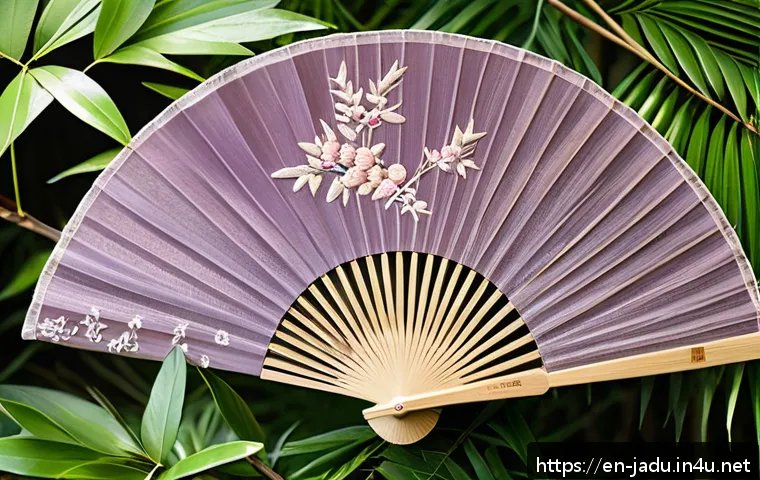
Traditional plum fans often feature hand-painted blossoms with natural pigments on rice paper or silk, emphasizing softness and subtlety. Contemporary designs, however, might use synthetic fabrics, bold color blocking, or abstract patterns.
This contrast reflects broader changes in artistic priorities, where heritage meets experimentation. I noticed that traditional fans evoke calmness and nostalgia, while modern fans feel dynamic and edgy—both appealing but for different moods.
Functional Differences and User Experience
Traditional fans tend to be more delicate, often reserved for special occasions or display. In contrast, contemporary fans are designed with everyday use in mind, incorporating sturdier materials and ergonomic handles.
Personally, I find modern fans easier to carry around and more resilient in various weather conditions, though I still cherish traditional fans for their sentimental value.
This functional evolution expands the fan’s role from mere ornament to practical accessory.
Market Demand and Collector Preferences
Collectors often seek traditional plum fans for their authenticity and craftsmanship, while fashion-forward buyers gravitate toward contemporary designs for their versatility.
This creates a diverse market where both styles coexist and influence each other. The table below highlights some key differences that help buyers make informed choices.
| Aspect | Traditional Plum Fans | Contemporary Plum Fans |
|---|---|---|
| Materials | Rice paper, silk, natural pigments, wood | Synthetic fabrics, acrylic, metal, recycled materials |
| Design Style | Realistic, delicate, culturally symbolic | Abstract, bold, fashion-forward |
| Durability | Fragile, suited for special occasions | Sturdy, designed for daily use |
| Price Range | Higher due to handcrafting and tradition | Varies widely, often more affordable |
| Target Audience | Collectors, cultural enthusiasts | Young fashion lovers, casual users |
Incorporating Plum Fans into Modern Lifestyle and Decor
Styling Fans as Functional Accessories
Using plum fans as part of everyday attire can elevate even the simplest outfit. Pairing a fan with light summer dresses or tailored suits adds a touch of elegance and cultural flair.
I’ve found that carrying a fan during outdoor events not only helps beat the heat but also sparks conversations about its artistic origins. Mixing traditional plum designs with modern wardrobe staples creates a unique style statement that feels personal and sophisticated.
Decorative Uses Beyond Personal Carry
Fans also serve as stunning wall art or table centerpieces in homes and offices. Mounting plum fans in shadow boxes or framing them preserves their beauty while adding texture and color to interiors.
I experimented with a small collection of fans displayed in my living room and was surprised at how they brought warmth and character to the space. Their intricate designs act as focal points that invite guests to appreciate craftsmanship up close.
Inspiration for Other Creative Projects
The plum fan motif has inspired artists and designers beyond fan-making. From textile prints and jewelry to graphic design and ceramics, the blossom’s shape and symbolism resonate widely.
I’ve personally tried incorporating plum-inspired patterns into my sketchbook and even customized phone cases, which adds a playful yet meaningful element to everyday objects.
This cross-disciplinary influence highlights the motif’s versatility and enduring appeal.
Mastering the Art of Fan Care and Preservation
Proper Handling and Storage Tips
Maintaining the beauty and longevity of plum fans requires careful handling. Avoid exposing them to direct sunlight for prolonged periods, as colors may fade.
When not in use, fans should be stored in protective cases or cloth bags to prevent dust accumulation and physical damage. During humid weather, placing silica gel packets nearby can help prevent mold growth.
I learned these tips after accidentally leaving a fan out during a sunny day—its delicate colors dulled noticeably, which was a tough lesson in preservation.
Cleaning and Restoration Practices
For light cleaning, gently dusting with a soft brush or microfiber cloth is recommended. More intensive restoration should be left to professionals, especially for antique or highly detailed fans.
Some restoration techniques include reapplying pigments, reinforcing ribs, or repairing tears in the fabric. I once consulted a conservator about a fan with a torn silk panel, and watching the careful restoration process gave me newfound respect for the skill involved in preserving these delicate works.
When to Seek Expert Help
If a fan exhibits structural damage, persistent stains, or signs of deterioration, professional assessment is crucial. Attempting DIY fixes might worsen the condition.
Trusted restorers often specialize in textile or paper conservation and can advise on the best methods. Having experienced a minor crack in a fan’s wooden ribs, I reached out to an expert who expertly reinforced it without compromising the fan’s original design.
This experience underscored the importance of expert care in prolonging a fan’s life.
In Closing
Plum fans beautifully merge artistry, culture, and personal expression into one elegant accessory. Their rich symbolism and evolving designs continue to captivate both traditional enthusiasts and modern fashion lovers alike. Whether as a meaningful gift or a stylish statement, these fans offer more than just visual appeal—they carry stories and emotions that resonate deeply. Exploring their craftsmanship and cultural roots enriches our appreciation for this timeless art form.
Useful Information to Know
1. Plum fans symbolize resilience and hope, making them meaningful gifts for special occasions.
2. Crafting plum fans involves intricate techniques like hand-painting, wood carving, and layering delicate materials.
3. Modern plum fans often incorporate innovative materials and designs, appealing to contemporary tastes.
4. Proper care, including gentle cleaning and careful storage, is essential to preserve a fan’s beauty and longevity.
5. Attending workshops or exhibitions can deepen understanding and foster community around plum fan artistry.
Key Takeaways
Understanding the blend of tradition and innovation is vital when appreciating plum fans. Their symbolic significance and craftsmanship make them treasured cultural artifacts, while modern adaptations ensure their relevance today. Careful handling and expert restoration preserve their delicate nature for future generations. Whether for personal use or collection, these fans embody a unique harmony of function, beauty, and heritage.
Frequently Asked Questions (FAQ) 📖
Q: uestionsQ1: What makes plum-inspired fan designs stand out compared to other handcrafted fans?
A: Plum-inspired fan designs are unique because they blend deep cultural symbolism with modern artistic creativity. Unlike typical fan designs, these fans often feature delicate plum blossoms, which represent resilience and beauty in many cultures.
This symbolism adds layers of meaning, making each fan not just a decorative piece but a storytelling object. From my experience, the intricate craftsmanship combined with contemporary motifs creates a fresh, elegant aesthetic that appeals to both traditional art lovers and modern design enthusiasts.
Q: How are these plum-themed fans typically crafted, and what materials are used?
A: These fans are usually handcrafted using high-quality materials such as bamboo for the frame and silk or fine paper for the fan surface. Artisans carefully paint or embroider plum blossoms, paying close attention to detail to capture their delicate beauty.
I’ve seen some artists incorporate mixed media or even subtle metallic accents to give the fans a modern twist. The craftsmanship process is often slow and meticulous, reflecting the artisan’s dedication to preserving tradition while embracing innovation.
Q: Where can I find authentic plum-inspired fans, and are they suitable as gifts?
A: Authentic plum-inspired fans can be found at specialty art boutiques, cultural festivals, or online platforms that focus on handcrafted goods. When purchasing, it’s important to verify the artisan’s background to ensure authenticity and quality.
From personal experience, these fans make exceptional gifts because they carry cultural significance and artistic value, making them thoughtful keepsakes.
They’re perfect for anyone who appreciates unique, meaningful accessories that combine tradition with contemporary flair.